The Green March, also known as the Green March of Morocco, stands as a pivotal event in the history of the Kingdom of Morocco. It took place on November 6, 1975, marking the peaceful retrieval of territories in Western Sahara following Spain’s withdrawal.
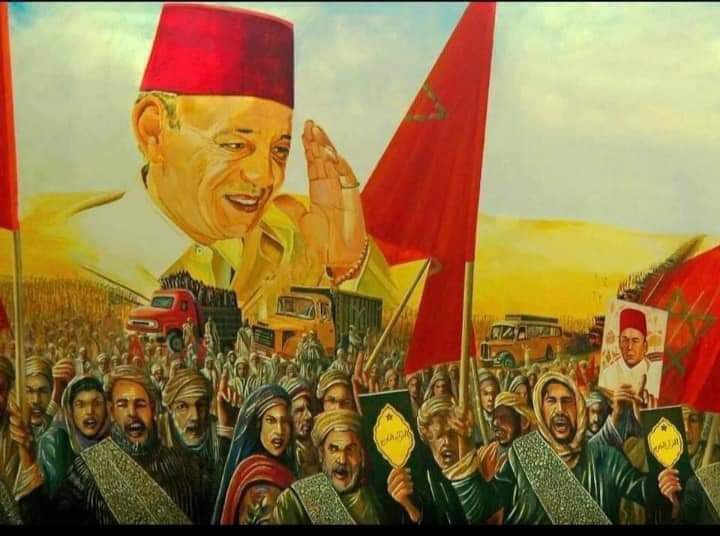
The Green March was the culmination of decades of diplomatic and field struggles over the fate of Western Sahara, which was under Spanish colonial rule. After the signing of the Madrid Accords on November 14, 1975, Spain decided to withdraw from the region and arrange a referendum to determine its future.
With the return of these territories to Moroccan sovereignty, King Hassan II, in collaboration with the Moroccan people, organized an unarmed march towards Western Sahara to affirm Morocco’s sovereignty over these lands.
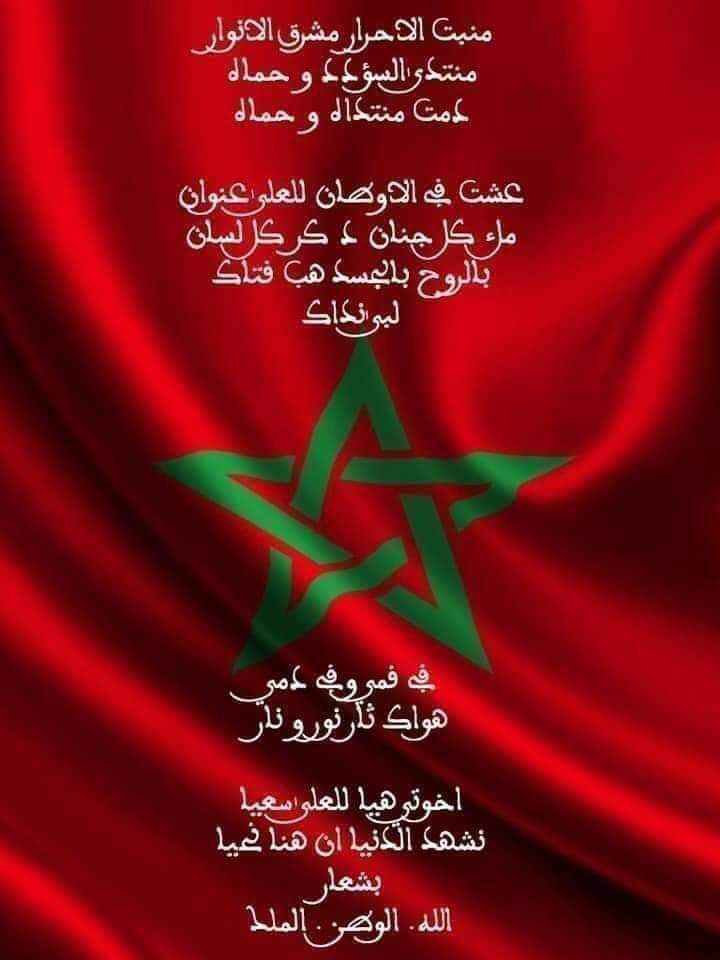
For Moroccans, the Green March represents a symbol of national unity, patriotism, and the peaceful reclamation of their previously colonized lands. Since then, Western Sahara has become an integral part of the Kingdom of Morocco, representing its national unity.
The Green March serves as a testament to the power of diplomacy and peaceful means in resolving territorial disputes. It exemplifies Morocco’s commitment to the principles of self-determination and territorial integrity.
In conclusion, the Green March stands as a milestone in Moroccan history, embodying the spirit of unity, patriotism, and peaceful resolution. It symbolizes the reclaiming of Western Sahara as an integral part of the Kingdom of Morocco and showcases the effectiveness of diplomatic efforts in addressing territorial conflicts.

 المدونة الشاملة